The Rise of Biometric Sensors
As we move further into 2026, biometric technology has made waves in personal security, changing how we unlock our devices, secure our homes, and even manage our identities. These advanced sensors, once the stuff of sci-fi, have become ordinary gadgets in our daily lives, seamlessly integrated into everything from our phones to our front doors.
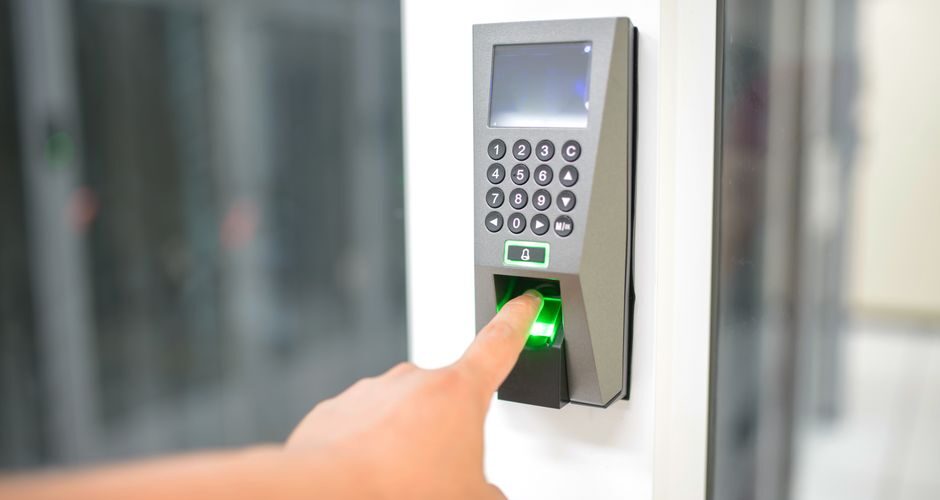
Biometric sensors have evolved from simple fingerprint readers to sophisticated, multi-modal systems that capture a range of biological and behavioral data. These sensors aren’t just about convenience; they’re about creating a secure, personalized environment that knows you better than any password ever could.
Facial Recognition Goes Local
The journey of facial recognition has reached an interesting milestone. In 2026, local solutions have become more prevalent, as consumers demand better privacy controls. This shift means that more facial data is processed on local devices, rather than in the cloud, reducing privacy risks associated with data breaches.
For example, the new Securifi Home Hub, launched this year, integrates facial recognition that operates entirely offline. This allows homeowners to manage their security systems with an added layer of privacy, ensuring that sensitive data never leaves their device. Such innovations in local processing have made facial recognition a trusted ally in personal security.
Retinal Scanning: Not Just for Sci-Fi Anymore
Retinal scanning, once a feature exclusive to high-security areas, is becoming more accessible and user-friendly. The technology has been miniaturized and is now available in everyday devices. For instance, the EyeSecure 2026, a compact device for businesses and personal use, offers fast, reliable authentication with incredible accuracy.
This technology works by scanning the unique pattern of blood vessels in the retina, offering a level of security that surpasses fingerprints. It’s finding its way into secure workplaces and luxury homes, providing a new sense of safety that was unthinkable a decade ago.
Voice Recognition: The New Password
As cyber-attacks grow more sophisticated, the reliance on passwords has diminished. Voice recognition is stepping up as a powerful biometric tool. The technology now offers higher accuracy rates, with error margins as low as 1% in optimal conditions.
Companies like SoundGuard are leading the charge, with their new voice authentication systems tailored for both personal and corporate use. This kind of security ensures that access to sensitive information or locations is as personal as it gets, as unique as the individual’s voice itself.
Heartbeat Monitoring: The Ultimate Key
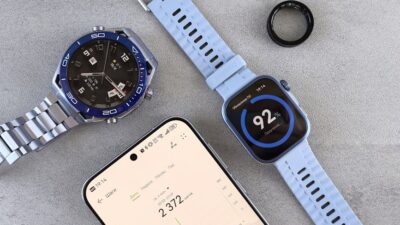
Among the most intriguing developments in biometric security is the use of cardiac patterns. Each person’s heartbeat is unique, and companies have begun harnessing this fact for authentication. The HeartKey 2026 wristband, for example, uses an electrocardiogram (ECG) sensor to verify identity through the wearer’s heartbeat.
This form of biometric security is not only incredibly personal but also difficult to replicate, offering a promising solution for secure access to both digital and physical spaces. It’s becoming the go-to security choice for high-profile individuals and entities requiring top-notch security.
Practical Considerations: The Future of Security
With these advancements, the future of personal security is looking more personalized and secure than ever. However, this shift requires careful consideration of privacy implications and ethical use. Users must remain informed about how their data is stored and utilized, and ensure they are choosing solutions that respect and protect their privacy.
As biometric technology continues to evolve, it offers the promise of security that is not only more robust but also more reflective of our personal identity. The key takeaway for consumers and businesses alike is to embrace these advancements while maintaining a vigilant stance on data privacy and ethical use.