The Dawn of AI Artistry
As we step deeper into 2026, the realm of art is experiencing an unprecedented transformation. The catalyst? Artificial intelligence, which has moved beyond serving as a mere tool to become a collaborator in the creative process. Leading the charge is a new breed of AI platforms that not only assist artists but also create standalone masterpieces. These platforms are a testament to how far technology has come and how it continues to blur the lines between human ingenuity and machine capability.
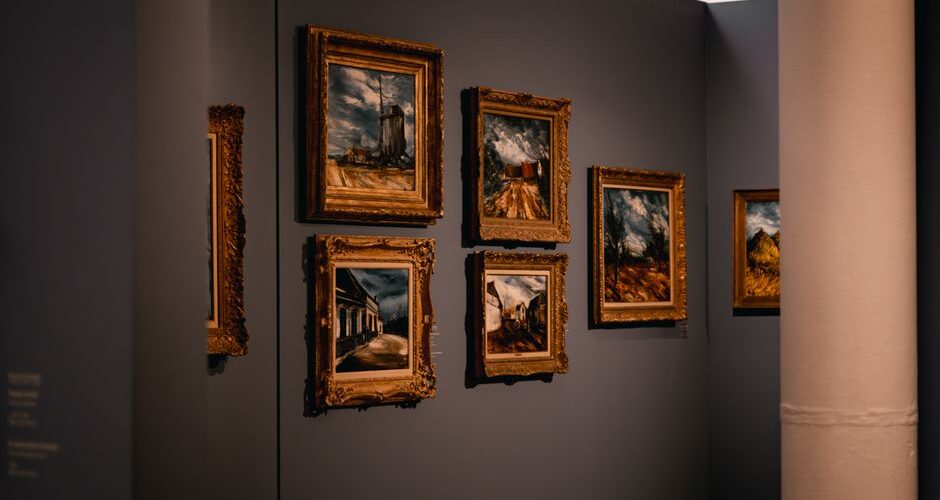
One standout example is the recent collaboration between renowned painter Kiera Mendez and the AI system, ArtiVisio. Their joint exhibition at the Louvre in Paris has garnered global acclaim for its novel approach, fusing human emotion with algorithmic precision to produce evocative visual experiences.
Understanding the Algorithms Behind the Art
At the heart of this revolution are complex algorithms designed to mimic and enhance human creativity. These algorithms are not static; they learn and evolve with each piece of art they analyze. For instance, programs like DeepArt and Algorithmic Aesthetics employ neural networks that study existing artworks, learning styles, techniques, and even emotional nuances.
This ability to ‘learn’ allows AI to generate art that resonates on a deeply human level. It can analyze the works of masters like Van Gogh or Picasso, then synthesize these influences to create something entirely new and unexpected. This fusion of historical insight and futuristic technology results in pieces that are both familiar and strikingly novel.
The Role of AI in Democratizing Art
Perhaps one of the most exciting aspects of AI in art is its potential to democratize creativity. With platforms like PaintBot and Artify, anyone with a device can explore their artistic potential. These tools are equipped with intuitive interfaces that allow users to create complex artworks without needing advanced skills or expensive materials.
The accessibility of AI art tools is evident in the rise of online art communities, where creators from all backgrounds share their AI-generated works. This has opened doors for a more inclusive art world, where diverse voices and visions can flourish.
Ethical Considerations in AI-Created Art
Despite the excitement, the rise of AI in art also raises important ethical questions. Who owns the rights to a piece of art created by AI? Is it the programmer, the user, or the AI itself? These questions add a layer of complexity to the art world and have sparked debates in both legal and artistic circles.
Moreover, the potential for AI to replicate any artist’s style begs the question of originality. As AI becomes more adept at mimicking human creativity, maintaining a balance between inspiration and imitation becomes crucial.
Looking Ahead: The Future of AI Art
As we look toward the future, the integration of AI in art presents endless possibilities. The boundaries of what is considered art will continue to expand, fostering a dynamic interplay between technology and creativity. Artists will increasingly collaborate with AI, pushing artistic boundaries and exploring new mediums.
The ongoing dialogue between algorithm and artist promises to enrich the cultural landscape, offering fresh perspectives and challenging conventions. As AI continues to evolve, so too will the art it helps to create, ensuring that the art world remains vibrant and ever-changing.
Practical Takeaway
For artists and enthusiasts alike, embracing AI as a creative partner can unlock new dimensions of artistic expression. Engaging with AI tools provides an opportunity to explore uncharted territories of creativity, fostering an environment where art and technology coalesce to produce something truly remarkable. As this trend grows, maintaining an open mind and a willingness to experiment will be key in shaping the future of art.