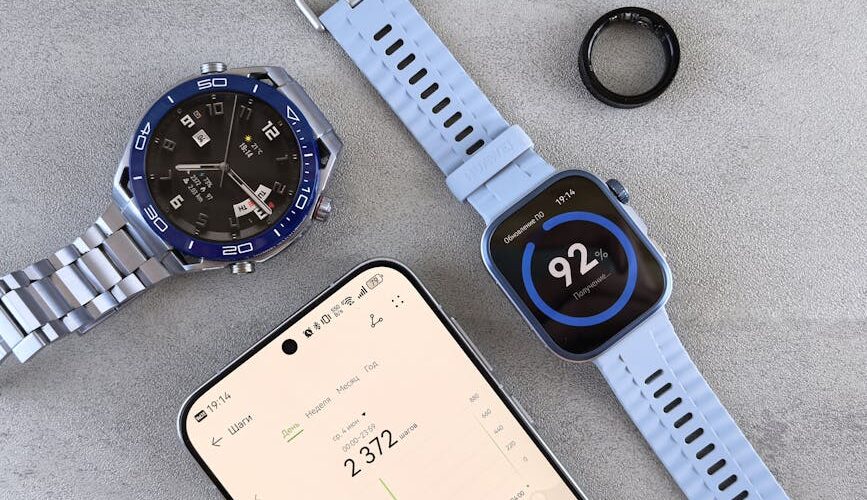
The Evolution of Wearables
Back in the day, a fitness tracker was just a fancy pedometer. Fast forward to 2026, and these wearables have transformed into sophisticated health management systems. With the market projected to reach a staggering $150 billion by the end of this year, it’s clear that smart wearables have become essential tools in our daily lives. From tracking blood pressure to predicting potential health risks, these devices are reshaping how we approach personal health.
How Smart Wearables Work Their Magic
At the heart of these devices lies a network of sensors and microprocessors that continuously collect and analyze data. This isn’t just about counting steps anymore. Today’s wearables monitor critical vitals, such as heart rate variability, blood oxygen levels, and even electrodermal activity. By leveraging advanced algorithms, they provide insights into our physiological state, offering real-time feedback that can prompt users to adjust their behaviors for improved health outcomes.
Current Market Leaders and Innovations
- Apple HealthBands: Known for their sleek design and integration with other Apple products, the HealthBands offer advanced ECG and glucose monitoring systems. With a nod from the American Heart Association, these wearables are at the forefront of cardiac care.
- Fitbit Sense 3: Google’s latest iteration in the Fitbit line includes an enhanced stress management tool that uses AI to provide personalized relaxation techniques. It also features a continuous SpO2 monitor to track blood oxygen levels.
- Oura Ring 4: This minimalist ring continues to be popular among elite athletes, offering precise sleep tracking and recovery insights. Its latest feature? A temperature sensor that boasts a 98% accuracy rate for predicting illness onset.
Beyond Fitness: Wearables in Chronic Disease Management
Innovations in wearable technology are not just about fitness; they’re a boon in managing chronic conditions. For instance, continuous glucose monitors (CGMs) are empowering diabetics to maintain tighter control over their blood sugar levels. Meanwhile, wearable ECG monitors are aiding those with arrhythmias by alerting them to irregular heartbeats in real-time. These advancements are not only enhancing quality of life but significantly reducing healthcare costs by minimizing emergency room visits and hospital admissions.
Potential Pitfalls and Ethical Considerations
While the benefits are plentiful, the rise of smart wearables is not without its challenges. Data privacy remains a significant concern, with over 60% of users expressing unease about who has access to their health data. Moreover, the reliance on wearables can sometimes lead to data overload, where users become anxious about constant health monitoring. There’s also the question of accessibility—will these devices remain a luxury for the privileged, or will they become a standard part of public healthcare?
The Road Ahead: Trends to Watch
Looking to the future, expect personalization to take center stage. Companies are investing in AI-driven technologies that tailor insights and recommendations based on individual user data. Additionally, with the advent of nano wearables, smaller, less intrusive devices could soon provide even more detailed health insights. As technology continues to advance at a rapid pace, the potential for smart wearables to transform personal health and well-being is limitless.
Practical Takeaway
Smart wearables are no longer just about tracking fitness; they’re evolving into essential tools for proactive health management. When choosing a device, consider what aspects of your health you want to monitor. Whether it’s heart health, stress levels, or sleep quality, there’s likely a device tailored to your specific needs. As these technologies continue to advance, embracing them could be the key to unlocking a healthier future.