Virtual Reality: A New Dimension in Education
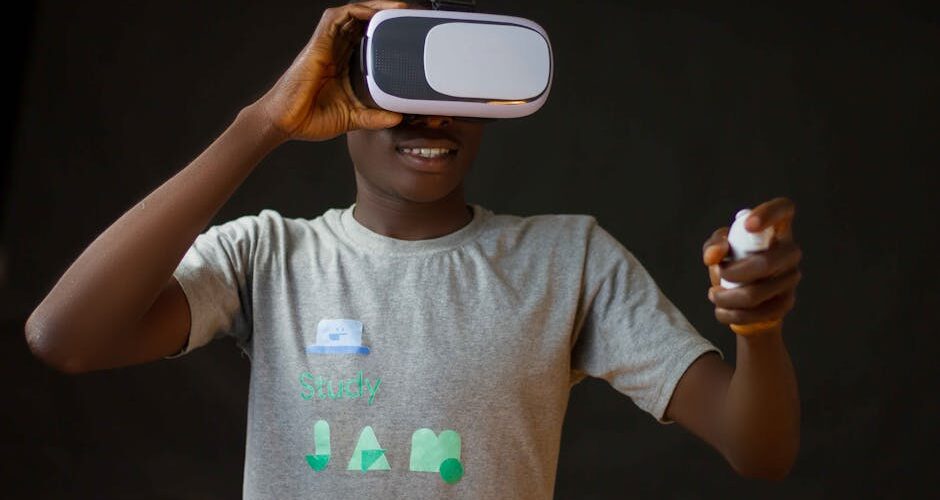
As we find ourselves in 2026, virtual reality (VR) has taken a quantum leap from being a niche gaming technology to a cornerstone in modern education. Schools and universities across the globe are embracing VR, transforming the way students learn and interact with their subjects. Gone are the days of passive, one-dimensional learning. Today, students can explore ancient civilizations, dive into the deepest oceans, or even walk on Mars—all from their classroom seats.
Immersive Learning Experiences
The power of VR in education lies in its ability to create immersive learning experiences. Imagine a history class where students don’t just read about ancient Egypt but actually explore the pyramids in a virtual space. They can examine artifacts, understand hieroglyphics, and experience the ambiance of that era. This type of learning fosters a deeper understanding and retention of information because students are actively involved in their learning journey.
Breaking Down Geographical Barriers
One of the most significant advantages of VR in education is its ability to break down geographical barriers. Students from remote or underprivileged areas, who might not have access to high-quality educational resources, can now partake in the same immersive experiences as their peers in more developed regions. VR makes it possible to take field trips to places they could never physically visit, leveling the playing field like never before.
Enhancing STEM Education
Science, technology, engineering, and mathematics (STEM) subjects have particularly benefited from VR integration. For example, students can conduct safe, virtual chemistry experiments without the risk of harmful reactions. Engineering students can design, test, and refine their prototypes in a virtual environment, seeing firsthand the implications of their design choices. This hands-on approach not only bolsters understanding but also stimulates interest in these critical fields.
Challenges and Considerations
Despite its many benefits, integrating VR into education is not without challenges. Cost is a significant factor, as VR equipment and software can be expensive. Moreover, there is a learning curve for teachers who must adapt to new technologies and methodologies. Schools need to invest in training and support to ensure educators can effectively utilize these tools. Additionally, there are concerns about screen time and ensuring that VR complements traditional learning methods rather than replacing them entirely.
The Future of VR in Education
Looking forward, the potential for VR in education seems limitless. As technology continues to advance, we can expect even more sophisticated and accessible VR solutions. The key will be finding ways to integrate these technologies in a balanced, inclusive, and beneficial manner for all students. With ongoing investment and innovation, VR could very well be the future of education, offering students unique and engaging ways to learn and grow.
Practical Takeaway: For educators and institutions looking to integrate VR into their curriculum, start small. Pilot projects can help gauge the impact and gather insights before full-scale implementation. Engage with experienced VR companies that specialize in educational content to ensure that the technology serves educational goals effectively.