1. Enhancing Urban Traffic Management
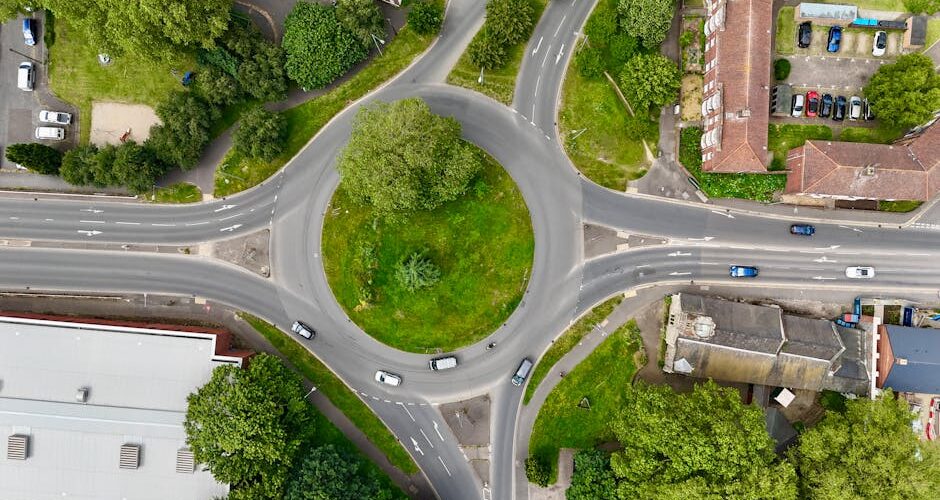
By 2026, drones have become indispensable in urban traffic management. Cities like Tokyo and Los Angeles have integrated drone fleets to monitor traffic flow in real time. These aerial assistants provide data to smart traffic lights and navigation apps, reducing congestion by up to 30% in busy areas. The drones use AI to analyze patterns, predicting traffic jams before they occur and rerouting vehicles accordingly. It’s a smart leap forward in our quest for efficient urban living.
2. Revolutionizing Agriculture with Precision Farming
Agriculture has seen a significant transformation with the use of drones. Farmers in Iowa and the Punjab region of India use drones equipped with hyperspectral, multispectral, and thermal sensors. These drones collect data on crop health, soil conditions, and water needs with unmatched precision. As a result, crop yields have increased by 20%, while pesticide and fertilizer use has decreased, creating a more sustainable agricultural practice.
3. Delivering Medical Supplies in Remote Areas
Access to medical supplies in remote regions has been a challenge until drones came into play. Companies in countries like Rwanda and Brazil now deploy drones to deliver essential medical supplies, including vaccines and blood products, to areas that are difficult to reach. The use of drones has cut delivery times from hours to mere minutes, making a critical difference in emergency situations where every second counts.
4. Assisting in Search and Rescue Operations
Drones have become an invaluable asset in search and rescue missions. Equipped with infrared cameras and advanced GPS systems, drones can quickly scan large areas that are otherwise inaccessible to traditional rescue teams. In 2026, teams in the Swiss Alps and the Rockies have used drones to locate missing hikers within hours, even in treacherous weather conditions. Their ability to cover vast terrains swiftly has saved countless lives.
5. Promoting Wildlife Conservation
Wildlife conservation efforts have been significantly bolstered by drones. In Africa, drones are used to monitor endangered species like rhinos and elephants, protecting them from poachers. The drones are equipped with night vision and heat-seeking cameras, enabling park rangers to track movements and respond to threats instantaneously. This technology has contributed to a 40% reduction in poaching incidents over the past three years.
6. Supporting Disaster Relief Efforts
Natural disasters bring about chaos, but drones are helping to mitigate the impact. After the 2025 earthquake in Nepal, drones were used to survey damage and deliver supplies to stranded survivors. They provided first responders with critical information, allowing for faster and more efficient deployment of resources. The technology has proven to be essential in responding to disasters, saving lives, and speeding up recovery efforts.
7. Enabling Remote Tourism Experiences
For those who can’t travel, drones have opened up a new world of possibilities. Companies like ‘SkyView Experiences’ offer drone-powered virtual tours of the Grand Canyon, the pyramids of Giza, and even the Great Barrier Reef. Equipped with high-definition cameras and VR technology, these drones offer an immersive experience, bringing the wonders of the world to your living room.
8. Boosting Home Security Systems
Home security has taken a futuristic turn with the use of drones. Homeowners in cities like San Francisco and London are using drones equipped with cameras and sensors as part of their security systems. These drones patrol properties, providing live feeds and alerting homeowners to any unusual activity. This high-tech approach to security offers peace of mind and an added layer of protection against intruders.
9. Advancing Archaeological Research
Drones have revolutionized the field of archaeology. Archaeologists in Egypt and Mexico use drones to create detailed 3D maps of ancient sites, uncovering structures hidden beneath the sand or jungle foliage. This technology allows for non-invasive exploration and has led to numerous discoveries, shedding light on the mysteries of ancient civilizations.
10. Transforming Entertainment and Sports Broadcasting
The entertainment and sports industries have wholeheartedly embraced drone technology. In 2026, events like the Olympics and the Super Bowl are broadcast using drones that capture dynamic, never-before-seen angles. The drones provide viewers with an immersive experience, flying above the action and delivering breathtaking live footage that traditional cameras simply can’t match.
Practical Takeaway: As we continue to innovate, drones are proving to be more than just flying gadgets; they’re becoming essential tools across various sectors. From healthcare to entertainment, their impact is both profound and far-reaching, paving the way for a more connected and efficient world.