Understanding the Haptic Landscape
Imagine feeling the texture of a woolen sweater or the crispness of a freshly picked apple through your smartphone. This is no longer a fantasy, thanks to the advancements in haptic technology that have unfolded dramatically over the past few years. As we advance into 2026, haptic feedback has moved beyond simple vibrations to provide rich, textured experiences that are transforming how we interact with digital content.
Haptic technology is all about creating a sense of touch in user interfaces. From sophisticated gaming controllers to medical simulations, its application is broadening, enhancing the way we perceive and interact with technology.
From Video Games to Virtual Reality
The gaming industry was one of the first to embrace haptic feedback. In 2026, gaming isn’t just about visuals and audio; it’s about feeling. Devices like the HaptX Gloves have set a new standard for immersion, allowing users to experience the impact of every punch or the softness of a digital breeze.
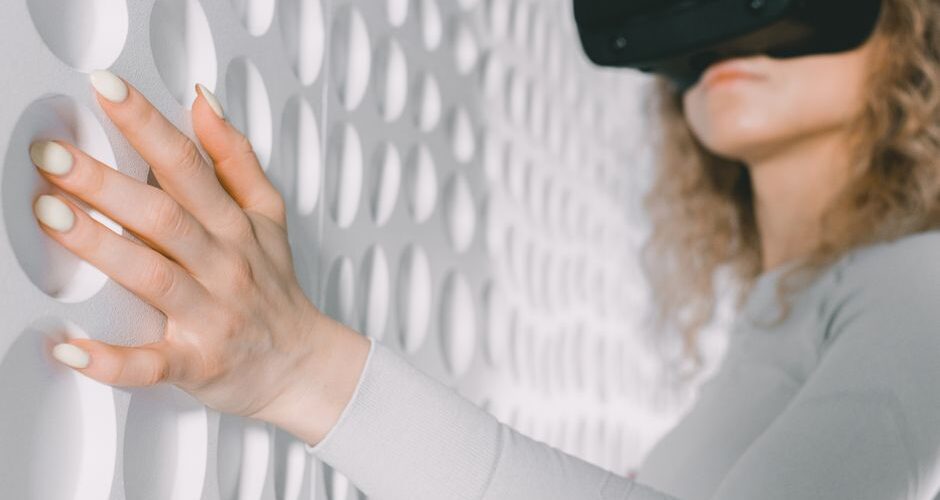
Virtual reality has also benefited from these advancements. Companies like Meta and HTC are integrating advanced haptic feedback into VR headsets and accessories. This technology is now capable of simulating an intricate web of sensations, from the gentle patter of rain to the intricate details of a sculpture.
Breaking Barriers in Communication
Beyond entertainment, haptic technology is reshaping communication. Imagine a long-distance hug conveyed through haptic-enabled wearables. In 2026, this notion has become a reality. Devices like the Hug Shirt allow people to send and receive physical sensations, creating an emotional connection across distances.
In professional settings, haptic feedback is being used to enhance remote collaboration. Advanced telepresence solutions with haptic interfaces enable users to ‘feel’ objects during virtual meetings, adding a tactile dimension to presentations and discussions.
Revolutionizing Healthcare and Education
In the healthcare sector, haptic technology is proving indispensable. Surgical training simulators now incorporate haptic feedback to replicate the sensation of tissues and organs, providing medical students with a more realistic and comprehensive training experience.
Education is also harnessing the power of haptics. Interactive learning modules are using haptic feedback to simulate scientific experiments or historical artifacts, making lessons more engaging and memorable for students around the globe.
Challenges and Opportunities Ahead
While the potential of haptic technology is immense, it is not without challenges. One of the primary hurdles is cost. High-quality haptic devices remain expensive, limiting widespread adoption. However, as technology advances and production costs decrease, we can expect to see haptic feedback becoming a staple in consumer electronics.
Another challenge is the need for standardization. With various companies developing their proprietary systems, achieving compatibility across devices and platforms is crucial for seamless user experiences.
Practical Takeaway: Embrace the Haptic Wave
As haptic technology continues to evolve, it is poised to become an integral part of our digital lives. From enhancing entertainment and communication to revolutionizing education and healthcare, the applications are endless. Embracing this technology not only means enjoying richer interactions but also staying at the forefront of technological innovation.
So, whether you’re a gamer, a professional, or an educator, it’s time to explore how haptic feedback can enhance your experience and interactions in this interconnected world of 2026.