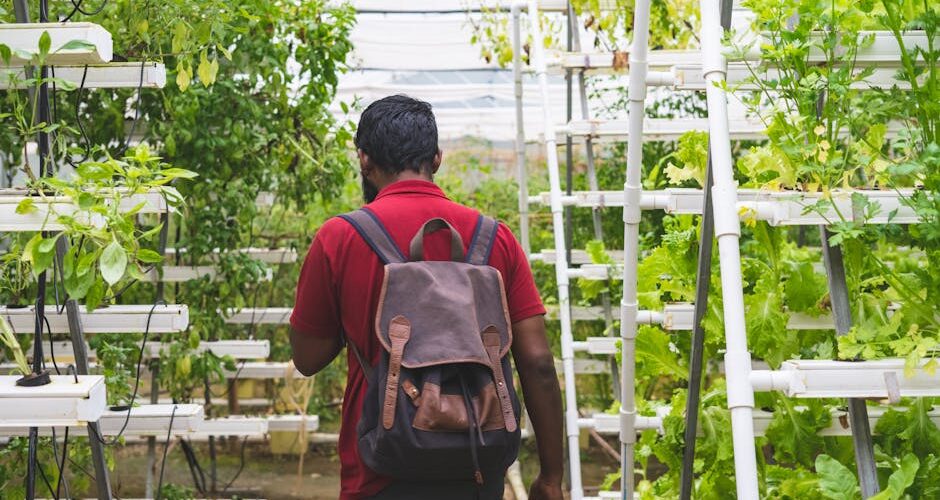
The Urban Farming Revolution
As we step into 2026, urban farming is not just a hobby for city dwellers; it’s a burgeoning industry reshaping urban landscapes across the globe. From New York to Tokyo, the skyline now includes vertical gardens, rooftop farms, and even underground hydroponic systems. These innovative approaches are turning cities into unexpected hubs of agricultural productivity.
In cities like Seattle, urban farms are now responsible for producing nearly 30% of the city’s fresh produce. This shift is not only reducing the carbon footprint associated with transporting food from rural farms but also ensuring fresher, more nutritious options for urbanites. So how exactly is technology playing a pivotal role in this transformation?
Vertical Farming: Sky-high Harvests
Vertical farming has become a cornerstone of the urban farming movement. By stacking layers of crops in controlled environments, these farms maximize space and efficiency. Thanks to advances in LED lighting and hydroponic technology, urban farmers can grow crops year-round, independent of weather conditions.
Take Singapore’s SkyGreens, for instance. This vertical farm employs a unique A-frame structure powered by a low-energy hydraulic system. It’s capable of producing up to 10 times more food per square meter than traditional farming methods. As a result, Singapore is becoming more self-sufficient, reducing its reliance on imported produce.
IoT and Smart Farming Solutions
The Internet of Things (IoT) is revolutionizing urban agriculture by making it smarter and more efficient. Sensors now monitor everything from soil moisture levels to plant health, providing real-time data to farmers. This information allows them to optimize resource use, reduce waste, and enhance crop yields.
In Berlin, the startup Agrio has developed a smart farming platform that uses AI to analyze data from IoT devices. Farmers receive actionable insights and alerts on their smartphones, enabling them to make informed decisions quickly. This kind of precision farming is crucial for maximizing output in limited urban spaces.
Community-Based Urban Farms
Community engagement is another key aspect of the urban farming tech revolution. City residents are increasingly coming together to manage shared garden spaces, often with the help of tech tools that simplify coordination and management.
In Detroit, where community gardens have thrived for years, technology is taking collaboration to the next level. Platforms like FarmBot provide open-source hardware and software that guide users through every step of the growing process. This democratization of farming not only empowers individuals but also fosters community resilience and food security.
Challenges and Future Prospects
Despite its promise, urban farming technology faces challenges. High upfront costs, technical expertise requirements, and zoning regulations can hinder development. However, with government support and private investment on the rise, these barriers are gradually being overcome.
The future looks bright for urban farming tech. As cities continue to grow, the demand for sustainable food systems will only increase. Innovations like aquaponics, which combines fish farming with plant cultivation, are expected to become more prevalent. By integrating such systems into urban architecture, cities can further reduce their environmental impact.
Practical Takeaway: Embrace Local Food Production
For city dwellers eager to embrace this green revolution, getting involved in local urban farming initiatives is a great start. Whether it’s volunteering at a community garden, investing in a home hydroponics system, or supporting local urban farm businesses, there are myriad ways to participate. By doing so, you contribute to a more sustainable urban future and enjoy the freshest produce your city has to offer.