Understanding Neurotech Wearables
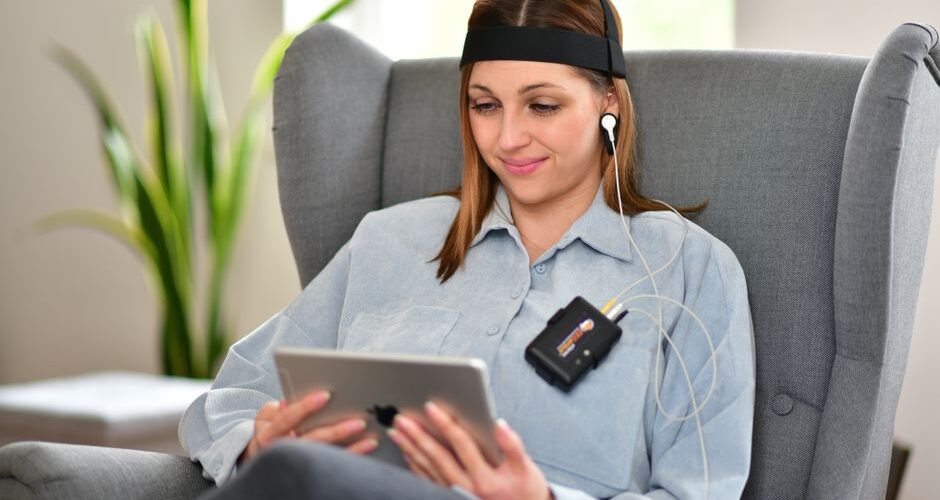
Neurotech wearables have become the latest trend in personal technology, promising to boost our cognitive abilities in ways that seemed like science fiction just a few years ago. These devices, often worn on the head, use EEG sensors to monitor brain waves and offer real-time feedback to the user. The ultimate goal? To enhance focus, reduce stress, and even improve memory.
Major tech companies like Neuralink and MindMed have developed cutting-edge wearables that can help users unlock untapped mental potential, transforming how we work, learn, and relax.
How Neurotech Wearables Work
The core technology behind these devices is electroencephalography (EEG), which involves recording electrical activity from the brain’s surface. These signals are then processed by sophisticated algorithms to provide insights into the user’s mental state. Users can receive feedback via a smartphone app or directly from the device itself, allowing them to adjust their activities accordingly.
For instance, if a device detects increased stress levels, it might suggest a meditation session. Alternatively, if it notes a drop in concentration, it could recommend a short break or breathing exercises to refocus.
The Impact on Work and Education
Neurotech wearables are not just gadgets for tech enthusiasts. They’re steadily becoming indispensable tools in both professional and educational settings. In the workplace, these devices help employees maintain peak productivity throughout the day. Employers have begun integrating them into wellness programs to combat burnout and improve overall mental well-being.
Educational institutions, from high schools to universities, are adopting neurotech wearables to personalize learning experiences. Students can receive tailored feedback on their cognitive load, helping them to study more effectively and improve their academic performance.
Privacy Concerns and Ethical Considerations
While the benefits of neurotech wearables are promising, they also raise significant privacy and ethical concerns. The idea of having one’s brain activity monitored and potentially shared with third parties is unsettling for many. Advocates argue for robust data protection regulations to ensure that users’ neural data remains private and secure.
Moreover, the potential for misuse—such as employers using these devices to monitor employees’ mental states without consent—is a significant ethical challenge. As the technology progresses, ongoing dialogue between developers, users, and policymakers will be crucial to address these issues.
Future Developments in Neurotech
The future of neurotech wearables looks bright, with ongoing advancements promising even more refined and effective devices. Researchers are working on integrating AI-driven analysis tools to provide even more personalized and actionable insights. Additionally, future models might incorporate augmented reality features, offering a more immersive and interactive user experience.
Collaboration with neuropsychologists and cognitive scientists is expected to deepen our understanding of the brain, leading to even more sophisticated wearables that can cater to a diverse range of cognitive goals.
Practical Takeaway
As neurotech wearables continue to evolve, they present a unique opportunity to enhance cognitive performance and improve quality of life. By staying informed and mindful of privacy concerns, users can harness this technology to its fullest potential, transforming their daily routines and achieving their mental wellness goals.