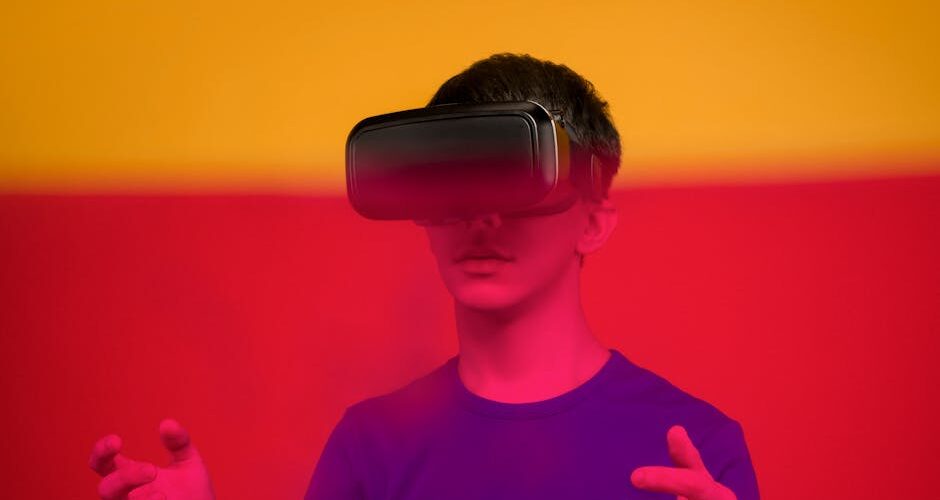
Introduction to Sensory Augmentation
Imagine a world where you could experience colors more vividly, have an enhanced sense of smell, or even perceive electromagnetic fields. Welcome to 2026, where sensory augmentation through biohacking is not just a concept from science fiction but a burgeoning reality. This cutting-edge field is transforming how we perceive and interact with the world, offering profound implications for both individual enhancement and broader societal changes.
The Evolution of Biohacking
Biohacking has evolved significantly over the past few years. Initially, it was about optimizing body and brain functions through diet, supplements, and lifestyle changes. Now, it’s a full-fledged movement pushing the boundaries of human enhancement. Companies like Neuralink, Bioviva, and Grindhouse Wetware are leading the charge with innovations that seem straight out of a futuristic novel.
These companies focus on integrating technology with biology, creating interfaces that enhance human senses. From cochlear implants that restore hearing to retinal chips that improve vision, biohacking is advancing at a pace that challenges traditional notions of what it means to be human.
Key Innovations in Sensory Augmentation
- Enhanced Vision: Augmented reality contact lenses are now mainstream. They not only correct vision but also overlay digital information directly onto your field of view. These lenses have micro-LED displays that provide real-time data, from navigation aids to translating languages on the fly.
- Olfactory Enhancement: Startups like OlfactoryAI are developing implants that enhance the sense of smell. These devices can detect a broader spectrum of scents, offering applications in food safety, disease detection, and even personal fragrance customization.
- Haptic Feedback: Advanced wearables now offer sophisticated haptic feedback, providing users with the ability to ‘feel’ digital interactions. This technology is revolutionizing fields like virtual reality, where users can experience textures and forces through specialized gloves and suits.
- Auditory Augmentation: Beyond traditional hearing aids, new cochlear implants allow users to tune into specific frequencies, enhancing music listening experiences or enabling selective hearing in noisy environments.
- Electromagnetic Sensitivity: A niche yet growing field, some biohackers are implanting magnets in their fingertips to detect electromagnetic fields, offering a new sense of spatial awareness.
Ethical and Social Implications
With great power comes great responsibility, and sensory augmentation is no exception. The ethical implications of biohacking are complex and multifaceted. Who gets to decide which enhancements are permissible? How do we ensure equitable access to such technology? These are questions policymakers and ethicists are grappling with as they navigate this brave new world.
On a societal level, there’s a potential for a new class divide between those who can afford enhancements and those who cannot. Additionally, concerns about privacy and security are paramount, as these technologies often collect and transmit sensitive biological data.
The Future of Human Experience
The potential of sensory augmentation is vast. As these technologies become more integrated into everyday life, they will change not just how we perceive the world, but also how we define ourselves. This could lead to a renaissance of creativity and innovation, as humans unlock new potential and explore previously unimaginable experiences.
Moreover, the potential therapeutic applications are immense. Enhanced senses could aid those with disabilities, offering them new ways to interact with the world. For instance, improving spatial awareness through electromagnetic sensitivity could be beneficial for individuals with visual impairments.
Practical Takeaway
As biohacking and sensory augmentation continue to evolve, it’s crucial for individuals to stay informed about the possibilities and implications. Whether you’re considering an enhancement yourself or simply curious about the future, understanding the technology and its societal impacts can help you navigate this thrilling yet challenging frontier.