The Password Problem: Why Biometrics Are Taking Over
Passwords have been a staple of digital security since the dawn of the internet. Yet, as our lives grow increasingly digital, the limitations of passwords have become glaringly obvious. By 2026, cyber threats have evolved into complex attacks that can easily bypass traditional password security. This has led to a dramatic shift towards biometrics, a more secure and user-friendly alternative.
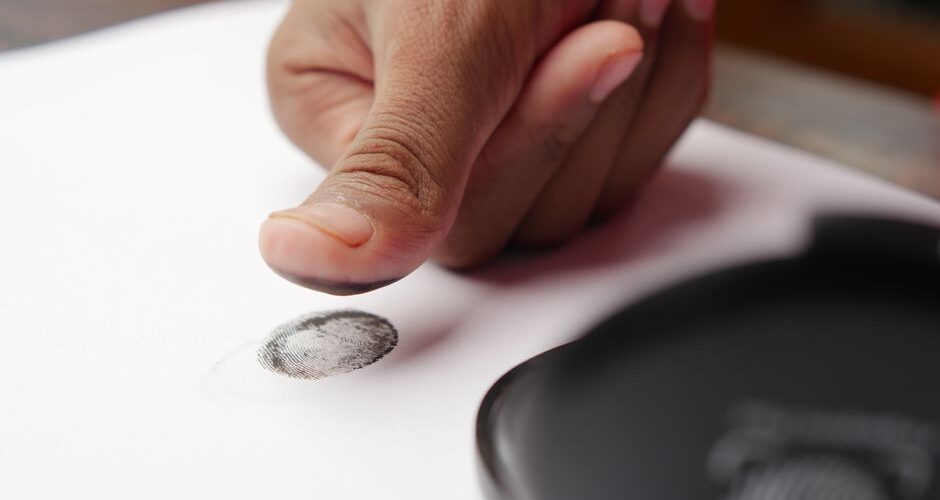
Biometrics—unique biological characteristics like fingerprints, facial patterns, and even voice recognition—offer far greater security than the archaic 8-12 character password. When you think about it, a fingerprint is much harder to steal than a password scribbled on a post-it note. It’s a natural evolution in the fight against cybercrime.
Types of Biometric Security You’ll Encounter in 2026
- Fingerprint Scanners: These have been around for a while, but 2026 sees them integrated into everything from your smartphone to home security systems. The technology has evolved to be faster and more accurate, reducing errors to nearly zero.
- Facial Recognition: Thanks to AI advancements, facial recognition now adapts to changes in appearance, like haircuts or glasses. It’s being used in everything from ATMs to online shopping, making transactions seamless and secure.
- Voice Recognition: With voice assistants becoming household staples, voice biometrics have emerged as a key player in security. They’ve proven their worth in securing not just devices, but entire smart homes.
- Iris Scans: Once seen only in sci-fi movies, iris scanning is now a common security feature in high-security environments and even some consumer electronics.
Real-World Applications: Beyond Just Unlocking Your Phone
Biometrics are being used in innovative and practical ways. Take airports, for instance. In 2026, Heathrow Airport in London has implemented a fully biometric boarding system. Gone are the days of standing in long lines with your boarding pass and ID. Instead, a quick scan of your face and you’re through to your flight. It’s not just about convenience; it’s about enhancing security while improving user experience.
Banks have also jumped on the biometric bandwagon. Many now require a fingerprint or facial scan to authorize transactions, significantly reducing the risk of fraud. This has made financial transactions not only safer but also quicker, as customers no longer have to remember complex passwords or security questions.
The Privacy Debate: Is Biometric Data Safe?
As with any technological advancement, the rise of biometrics brings privacy concerns. People are rightfully worried about how their data is collected, stored, and used. In 2026, several governments, including the European Union, have introduced stringent regulations to protect biometric data, ensuring that companies cannot exploit this sensitive information.
Tech companies are also taking steps to address these concerns. For example, Apple’s latest privacy update ensures that all biometric data is processed and stored locally on the device, rather than being uploaded to the cloud. This minimizes the risk of breaches and gives users greater control over their data.
How to Prepare for a Biometric Future
As biometrics become the norm, it’s crucial to understand how they work and how to use them responsibly. Start by ensuring that all your devices are equipped with the latest biometric security features. Regularly update your devices to protect against vulnerabilities.
Educate yourself on the privacy policies of the tech companies whose products you use. Understanding what happens to your biometric data can help you make informed decisions about which technologies to adopt.
Finally, embrace the change. While transitioning away from passwords can seem daunting, the benefits of enhanced security and convenience far outweigh the learning curve.
Your Practical Takeaway
As we move further into 2026, biometrics are not just a trend; they are the future of security. By understanding and embracing these technologies, you can not only protect your personal information but also enjoy a more seamless digital experience. So, equip yourself with the knowledge and tools needed to navigate this biometric frontier with confidence.