The Dawn of AI in Agriculture
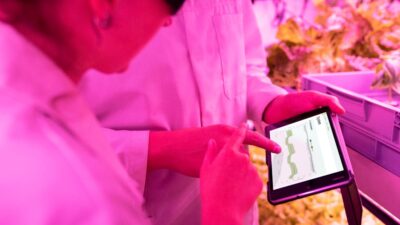
AI’s transformative potential has reached the fields, promising to revolutionize how we cultivate our crops. From planting to harvest, artificial intelligence is redefining the very essence of farming, making it smarter, more efficient, and, crucially, more sustainable. Imagine drones equipped with AI algorithms surveying vast fields, offering precise insights into soil health, crop growth, and pest infestations.
Precision Farming: The New Norm
Precision farming isn’t just a buzzword. It’s the cornerstone of modern agriculture. Advanced AI tools enable farmers to optimize their resources, ensuring that every drop of water and every ounce of fertilizer is used effectively. In 2026, this means employing satellite imagery and sensor data to monitor fields with pinpoint accuracy, minimizing waste and maximizing yield.
- Water Management: Smart irrigation systems utilize AI to determine exact water needs, reducing consumption by up to 30%.
- Soil Monitoring: AI-driven sensors analyze soil composition in real-time, guiding nutrient application precisely where needed.
Autonomous Machinery: Rethinking Farm Operations
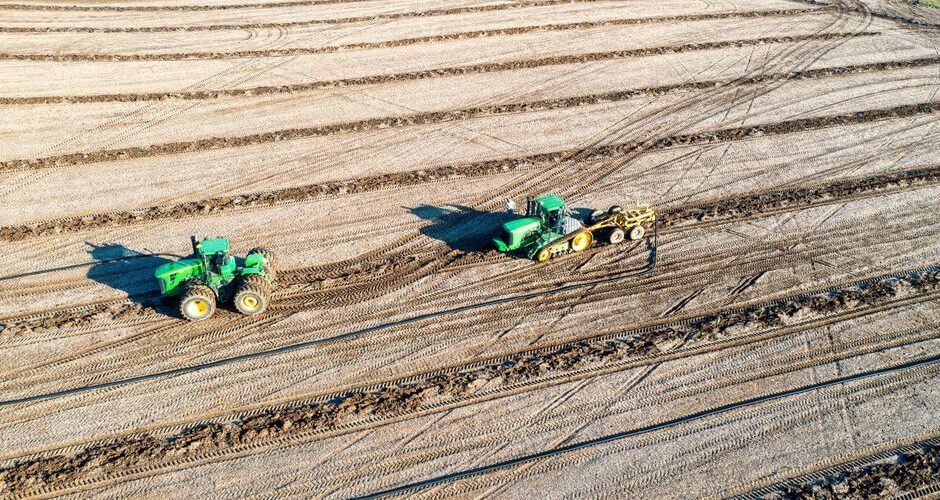
Self-driving tractors and AI-assisted harvesters are the backbone of future farms. These machines operate around the clock, guided by AI systems that ensure they perform tasks with unmatched efficiency and consistency. The days of manual labor in hostile weather conditions are becoming obsolete, as these intelligent machines take over the heavy lifting.
AI-Powered Pest Control
Pest management is another critical area where AI makes significant strides. Traditional methods often involve broad-spectrum chemical applications, but AI allows for a more targeted approach. Machine learning algorithms can predict pest outbreaks before they happen, enabling farmers to take preventative measures.
The Role of Data Analytics in Yield Maximization
Data is the new soil for modern agriculture. AI systems analyze vast datasets, identifying patterns and making recommendations to enhance crop productivity. From selecting the best crop varieties for specific climates to optimizing planting schedules, data analytics empowers farmers to make informed decisions that drive yield improvement.
Challenges and the Road Ahead
Despite the promise of AI in agriculture, challenges remain. Data privacy, the high cost of technology, and the need for robust infrastructure are hurdles that need addressing. However, as technology becomes more accessible and cost-effective, AI is set to become an indispensable tool for farmers worldwide.
Practical Takeaway: For farmers looking to embrace AI, starting with precision farming tools can yield significant benefits. Investing in soil sensors and water management systems can provide an immediate return and set the stage for more advanced AI integration in the future.