How to Build a Smart Garden in 2026: A Complete Guide
Ever thought about transforming your backyard into a high-tech oasis? It’s 2026, and smart gardening has evolved beyond just automated sprinklers and weather apps. Imagine a garden that thrives on precise data, artificial intelligence, and eco-friendly technology. Whether you’re a seasoned gardener or a tech enthusiast looking to blend your passions, creating a smart garden is easier and more exciting than ever!
Choosing the Right Smart Gadgets
The backbone of any smart garden is its technology. In 2026, the market is flooded with gadgets that can make your garden smarter and more efficient. But where to start?
- Smart Irrigation Systems: Companies like RainMachine and Rachio offer systems that are not only automated but also adaptive, learning from both local weather forecasts and your garden’s specific needs. These gadgets use up to 50% less water than traditional systems, a significant saving in places like California, known for its droughts.
- AI-Powered Plant Sensors: With devices from Parrot Flower Power or the newer PlantLink Pro, you can get real-time data on soil moisture, sunlight, and nutrient levels. They connect to your smartphone, ensuring you never overwater or leave your plants thirsty.
- Robotic Lawn Mowers: Husqvarna and Robomow have developed robotic mowers that can handle lawns of all sizes. These mowers are equipped with AI that learns the layout of your garden over time, ensuring an even cut every time.
Integrating Artificial Intelligence
Artificial Intelligence is not just a buzzword in gardening. AI can analyze data from your smart devices, predict growth patterns, and suggest the best times to plant or harvest. Apps like Gardenia AI allow you to take photos of your plants and diagnose issues like pests or diseases with high accuracy.
Additionally, AI-driven garden planners can help you design your space for optimal plant health and aesthetic appeal. Google’s Garden Insight uses satellite imagery and AI to recommend plant species based on your location’s soil and climate data. This feature is particularly popular in urban areas like New York City, where space is limited and conditions can be challenging.
Sustainable Practices with Technology
As we become more conscious of our ecological footprint, integrating sustainable practices into smart gardening has become a priority. In 2026, technologies such as solar-powered garden lights and wind turbines for energy are commonplace.
Consider using composting technologies like the Lomi Smart Composter, which efficiently transforms kitchen waste into nutrient-rich soil. This can reduce household waste significantly—by around 30%—and provide excellent fertilizer for your plants without the use of chemicals.
Creating a Connected Garden Ecosystem
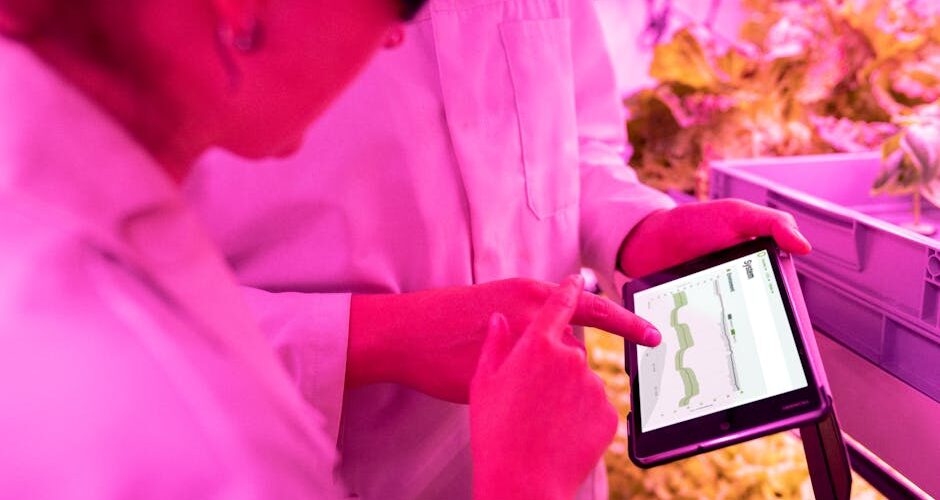
The idea of a connected ecosystem in your garden might sound futuristic, but it’s a reality now. With the Internet of Things (IoT), your garden devices can communicate seamlessly. Through platforms like SmartThings or Apple HomeKit, you can monitor and control every element of your garden from a single app.
Picture this: As your smart irrigation system waters the beds, a weather station updates you on any incoming storms, and soil sensors adjust the watering schedule in real time. Meanwhile, AI-driven cameras keep an eye out for pests or unwanted wildlife, sending alerts directly to your smartphone.
The Future: Vertical Gardens and Hydroponics
For those with limited outdoor space, vertical gardens and hydroponics are the future. Companies like Aerofarms and Click and Grow have revolutionized these systems, making them accessible for home gardeners in urban environments.
Vertical gardens use minimal ground space while maximizing plant area, ideal for apartment balconies or small yards. Hydroponics, on the other hand, utilizes nutrient-rich water solutions instead of soil, allowing for faster plant growth and less water usage—up to 90% less, in fact! These methods are rapidly gaining popularity in cities like San Francisco, where space and water are at a premium.
Building a smart garden in 2026 isn’t just about having the latest gadgets; it’s about creating a balanced ecosystem that promotes sustainability, efficiency, and beauty. As technology continues to evolve, so too will the possibilities for smart gardening. Embrace these changes, and watch your garden flourish like never before.
Practical Takeaway: To truly succeed in building your smart garden, start with a solid plan and gradually integrate technology that suits your specific needs and environment. Monitor your garden’s data regularly and be open to experimenting with new tools and practices. Remember, the journey to a thriving smart garden is just as rewarding as the destination.