As we find ourselves in 2026, the impact of artificial intelligence on job markets around the globe has become a central topic of discussion among both experts and the general public. AI, once a futuristic concept, has firmly embedded itself into our everyday lives, altering the way we work and reshaping employment landscapes.
The Rise of AI: A Brief Overview
Artificial intelligence has come a long way since its inception. From rudimentary algorithms to sophisticated neural networks, AI’s evolution has been nothing short of revolutionary. By 2026, AI systems are no longer just tools; they are active collaborators in various industries. Companies in Silicon Valley, such as Google and Meta, have harnessed AI to optimize everything from search engines to social media algorithms, fundamentally influencing how businesses operate.
Job Displacement: Fact or Fiction?
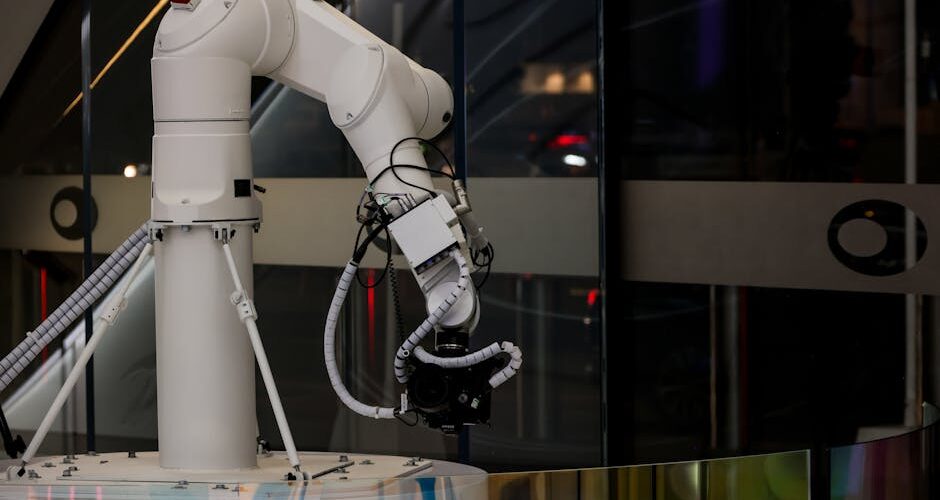
One of the biggest concerns surrounding AI is job displacement. Indeed, certain sectors have seen a reduction in traditional roles due to automation. According to a recent study by the International Labor Organization, approximately 20% of jobs in manufacturing have been automated since 2023. Factories in Detroit and Beijing have replaced assembly line workers with AI-driven robots that work faster and more efficiently without the need for breaks.
However, it’s not all doom and gloom. While some jobs have been lost, new roles requiring AI oversight and maintenance have emerged. A report by McKinsey suggests that for every job lost to AI, 1.2 new jobs are created in tech-driven roles. Cities like Bangalore and Dublin have become hubs for AI research and development, creating thousands of jobs in the tech industry.
Reskilling and Upskilling: The New Norm
As AI continues to transform job markets, reskilling and upskilling have become essential for workforce sustainability. Companies such as IBM and Microsoft have launched extensive training programs to equip employees with the necessary skills to manage and collaborate with AI technologies. Online platforms like Coursera and Udacity report a 45% increase in enrollment for AI-related courses in the last two years.
Governments are also stepping up. Germany has initiated a national reskilling program, investing €5 billion in education and training for AI and digital skills. These initiatives underscore the importance of adaptability in navigating an AI-driven job market.
Emerging Job Sectors and Opportunities
AI is not just about replacing jobs; it’s about creating new ones. The healthcare sector, for example, has seen a surge in demand for AI specialists who can develop algorithms for patient diagnosis and treatment plans. In 2025, the Mayo Clinic in Rochester, Minnesota, implemented an AI system that reduced diagnosis time by 30%, prompting hospitals worldwide to follow suit.
Similarly, the environmental sector is leveraging AI for sustainable practices. Data scientists and AI experts are in high demand to create solutions for climate change mitigation. The UK’s National Grid recently employed AI to optimize energy distribution, resulting in a 10% efficiency increase.
AI and the Creative Industry
The creative sector, traditionally thought to be immune to automation, is also experiencing AI integration. AI-generated music and art have hit the mainstream, with AI collaborators assisting artists in producing new content. In 2024, an AI-generated song topped the Billboard charts for the first time, leading to a new genre of AI-assisted music production.
This has opened up opportunities for those skilled in both creative and technical domains. AI content curators and operators are now vital in managing AI collaborations in fields like advertising, film, and publishing.
Practical Takeaway: Embrace the Change
The AI revolution is here to stay, and its impact on job markets will continue to evolve. The practical takeaway for individuals and businesses alike is to embrace this change. For workers, this means engaging in lifelong learning and staying flexible in career paths. For businesses, investing in AI literacy and integration will not only ensure survival but also growth in this new era.
AI is not just a challenge; it’s an opportunity to redefine the future of work.