The Road to 6G: Is It Worth the Hype?
As the global tech community continues to buzz about 6G, it’s vital to understand what this sixth generation of wireless technology brings to the table. Promising speeds that could reach up to 100 times faster than 5G, 6G isn’t just about speed—it’s about revolutionizing connectivity. In 2026, researchers and tech companies are deep into the exploration of 6G capabilities, going beyond mere mobile connectivity to a holistic integration of AI, cloud computing, and the Internet of Things (IoT).
The Tech Behind 6G: How Does It Work?
6G technology leverages a mix of terahertz frequencies, sophisticated AI algorithms, and advanced network architectures. This combination facilitates ultra-low latency communications, opening new horizons for applications that require real-time responses. Think about remote surgeries performed with robotic precision, or autonomous vehicles navigating urban jungles with split-second decision-making capabilities. The heart of this advancement lies in the unprecedented bandwidth capacities, enabling devices to process and transmit enormous data volumes instantaneously.
Real-World Applications: What 6G Means for You
While most of us are still getting accustomed to 5G, the impact of 6G will be transformative in various sectors:
- Healthcare: Imagine smart hospitals where connected devices perform diagnostics and share data with medical professionals globally in real-time. This isn’t sci-fi—it’s a 6G reality.
- Education: Virtual reality classrooms that adapt to each student’s learning pace and style, providing immersive, interactive learning experiences from anywhere in the world.
- Entertainment: Streaming high-quality holographic content on demand could redefine home entertainment, making it an interactive and personalized experience.
- Industry: Smart factories powered by 6G could autonomously manage supply chains, production processes, and logistics with incredible efficiency.
The Challenges Ahead: What Needs to Be Overcome
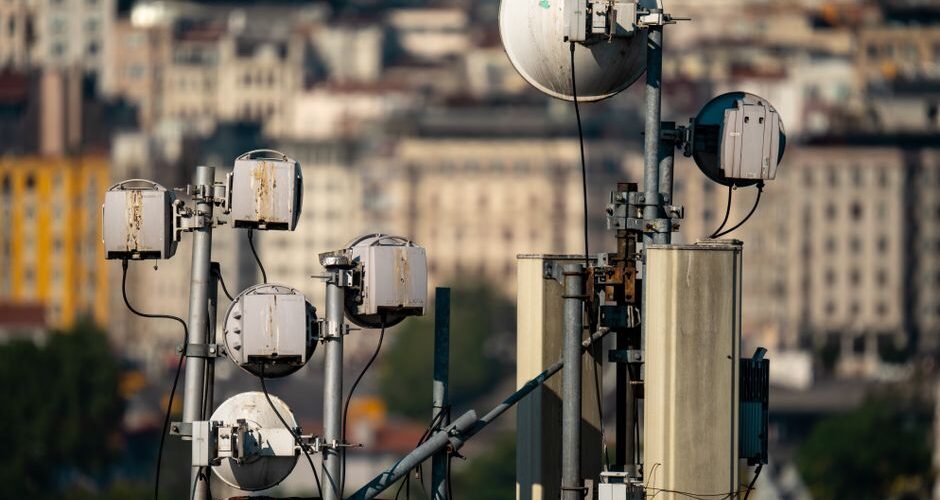
Despite its promises, 6G is not without its challenges. The significant energy consumption associated with terahertz frequencies raises concerns about environmental impact. Furthermore, the infrastructure required for 6G, including new types of antennas and base stations, demands considerable investment and time. Security is another pressing issue, as faster networks could mean more opportunities for cyber threats. Addressing these concerns requires collaborative efforts from global policymakers, tech companies, and researchers.
How 6G Will Shape the Next Decade
6G is poised to transform industries by enabling ubiquitous connectivity and real-time data processing. As we look toward 2027 and beyond, the evolution of 6G technology could spearhead advancements in smart cities, sustainable energy solutions, and personalized user experiences. While deployment is still in its infancy, ongoing trials in tech hubs like Tokyo, Seoul, and Silicon Valley are moving us closer to realizing these futuristic applications.
Practical Takeaway
As we move into the era of 6G, the key takeaway is to stay informed and adaptable. Whether you’re a consumer eager for lightning-fast connectivity or a business looking to harness 6G’s potential, understanding its capabilities and limitations will prepare you for the next wave of technological transformation. Keep an eye on developments and consider how 6G could impact your personal and professional life.