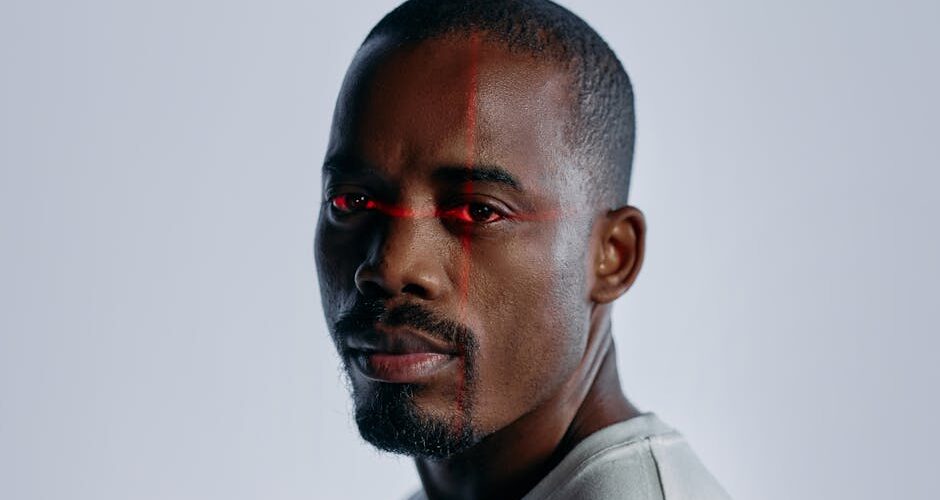
The Rise of Biometric Technology
In 2026, biometric security is no longer a futuristic concept but an integral part of our daily lives. The global biometric system market, valued at $68 billion in 2023, has surged to a projected $100 billion. This growth is driven by increased demand for enhanced security solutions in both private and public sectors. As data breaches and identity thefts become increasingly sophisticated, traditional security measures like passwords and PINs struggle to keep up.
Biometrics offer a level of security that is both personal and robust. They rely on unique human characteristics such as fingerprints, facial recognition, and iris patterns, which are far more difficult to replicate or steal. This shift towards biometrics is not just about staying ahead of cybercriminals; it’s about creating a seamless, secure user experience.
Enhanced Security Across Industries
The financial sector is one of the biggest adopters of biometric technology. With banks like JPMorgan Chase and Wells Fargo integrating fingerprint and facial recognition into their systems, customers can now access accounts and authorize transactions with a simple glance or touch. This not only enhances security but also improves user convenience.
In healthcare, biometric security is used to safeguard sensitive patient information. Hospitals and clinics are implementing systems where doctors and nurses can access patient records through fingerprint or voice recognition, ensuring that data breaches are minimized and confidentiality is maintained.
The public sector has also embraced biometrics, with governments using these technologies for border control and national ID programs. For example, in India, the Aadhaar program, which is the world’s largest biometric ID system, has enrolled over 1.3 billion residents, reducing fraud in welfare schemes and improving service delivery.
Privacy Concerns and Ethical Implications
Despite the advantages, the rise of biometric security raises important privacy and ethical questions. How is biometric data stored? Who has access to it? What happens if it is compromised?
There are global efforts to address these concerns. The European Union’s GDPR now includes provisions specifically for biometric data, requiring companies to obtain explicit consent from users before collecting it. In the United States, states like California and Illinois have enacted laws that regulate the use of biometric information, ensuring that users have control over their data.
The ethical implications of biometric surveillance are also a hot topic. While these technologies can prevent crime and improve security, they also have the potential for misuse if not regulated properly. The challenge lies in finding a balance between security and privacy.
Innovations Driving the Future
As we move forward, innovations in biometric technology continue to emerge. Behavioral biometrics, which analyze patterns like typing rhythm, gait, and voice, offer an additional layer of security by continuously authenticating users in real-time. This is particularly useful in online banking and e-commerce, where traditional biometric systems might fall short.
Artificial intelligence and machine learning are also playing significant roles in enhancing the accuracy and reliability of biometric systems. These technologies enable systems to learn and adapt to new patterns, reducing false positives and improving user experience.
Practical Takeaway: Securing Your Future
For individuals and businesses alike, the practical takeaway is clear: embrace biometric security as a critical component of your overall security strategy. Whether it’s using a fingerprint scanner on your smartphone or implementing facial recognition in your office, these technologies offer a robust defense against the ever-evolving landscape of cyber threats.
As biometric technology continues to advance, staying informed and proactive about its implications will be key to navigating the future securely. Consider not only the benefits but also the responsibilities that come with the use of such personal and powerful data.