The Autonomous Vehicle Landscape in 2026
As we cruise into 2026, the roads are quietly but unmistakably becoming a showcase of innovation. Autonomous personal vehicles (APVs) have transitioned from futuristic prototypes to everyday reality. Cities like San Francisco, Tokyo, and Berlin are seeing a surge in these self-driving cars, changing how urbanites commute. What makes these vehicles not just a novelty but a must-have? Let’s delve deeper into this transformative shift.
Technological Advancements Leading the Way
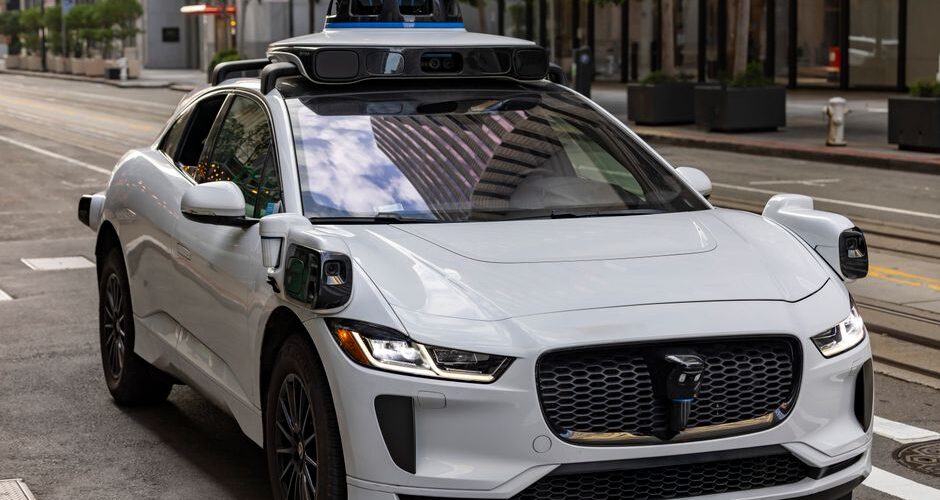
The backbone of APVs is a blend of cutting-edge technologies, each playing a crucial role in ensuring safety and efficiency. LiDAR, radar, and an array of cameras work collectively to provide a 360-degree view of the vehicle’s surroundings. The latest iterations in 2026 boast predictive AI algorithms that can anticipate pedestrian movements and traffic patterns, significantly reducing the probability of accidents.
Moreover, the integration of V2X (vehicle-to-everything) communication enables these vehicles to interact with city infrastructure like smart traffic lights and other APVs. This seamless connectivity helps in optimizing traffic flow and minimizing congestion, particularly in bustling urban centers.
Changing the Urban Landscape
The implications of autonomous vehicles extend beyond individual convenience. Cities are redefining their landscapes, with parking lots shrinking and pedestrian zones expanding. In places like Amsterdam, streets are evolving to be more pedestrian and cyclist-friendly, as APVs efficiently drop off passengers and retreat to designated parking hubs.
Public transit systems are also adapting, integrating APVs within their networks. In Singapore, for instance, shared autonomous shuttles complement the mass transit system, catering to the first and last mile connectivity. This integration is reshaping our perception of mobility, blurring the lines between public and private transport.
Environmental Impact and Sustainability
One of the unsung benefits of APVs is their potential for environmental sustainability. Most models hitting the markets in 2026 are electric, aligning with global efforts to reduce carbon emissions. In Norway, where electric vehicles are ubiquitous, the shift to autonomous functions is seen as a natural progression towards achieving net-zero emissions by 2030.
The efficiency of APVs in managing routes and reducing idle times contributes to a significant drop in energy consumption. Features like eco-routing, which calculates the most energy-efficient path, are becoming standard, further enhancing their eco-friendly credentials.
Challenges and Considerations
Despite their promise, APVs are not without challenges. Cybersecurity remains a paramount concern, as vehicles are increasingly viewed as mobile data centers. Ensuring that these vehicles are safeguarded against hacking attempts is a top priority for manufacturers. Moreover, the ethical implications of AI-driven decision-making, especially in potential accident scenarios, continue to spark debate.
Regulatory frameworks are also catching up with technology. Governments are tasked with developing policies that ensure safety without stifling innovation. In the U.S., the National Highway Traffic Safety Administration (NHTSA) is actively working on standardized guidelines to govern the operation of these vehicles on public roads.
The Road Ahead: Embracing the Future
The journey of autonomous personal vehicles is just beginning. With tech giants like Tesla, Waymo, and newcomer ZephyrAuto investing heavily in refining this technology, the coming years promise even more remarkable advancements. As consumers, we are poised to experience a level of convenience and interconnectedness that was once mere speculation.
So, what does this mean for us? It’s time to rethink transportation, not just as a means to an end but as an experience in itself. Embrace the change, and consider how these innovations might integrate into your life. Whether it’s through owning an APV or utilizing them as part of a shared mobility service, the future is arriving faster than our morning coffee can brew.
Practical Takeaway
As you ponder your next vehicle purchase or consider how to navigate your city more efficiently, keep an eye on the growing field of autonomous personal vehicles. Investigate how these innovations can reduce your carbon footprint, increase your commute’s efficiency, and even transform urban spaces for the better. The technology is no longer on the horizon; it’s parked right outside your door.