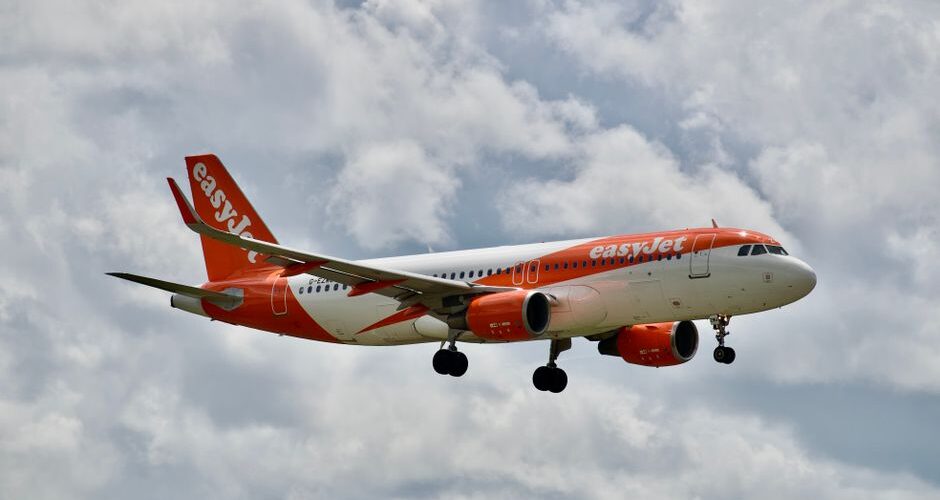
The Dawn of Electric Aviation
As we glide into 2026, the dream of all-electric aviation is no longer a distant fantasy but an imminent reality. Imagine boarding a plane without the roar of jet engines or the heavy whiff of aviation fuel. Instead, hear the gentle hum of electric motors as you soar skyward. This vision is brought to life by innovative companies and cutting-edge technologies that are pushing the boundaries of what we thought possible in air travel.
Electric aviation, driven by both environmental imperatives and technological advancements, promises not only to transform how we travel but also to redefine the aviation industry itself. This shift is powered by the increasing efficiency of battery technology, the ingenuity of aircraft design, and a growing demand for sustainable travel options.
Battery Breakthroughs
At the heart of electric aviation lies the challenge of battery technology. In 2026, we’ve seen significant improvements in energy density and charge times, thanks to the development of solid-state batteries and advanced lithium-air systems. Companies like Quantum Flight and VoltAero are leading the charge, offering batteries that can store more energy with less weight and recharge in a fraction of the time it took just a few years ago.
One of the most exciting developments is the use of graphene-enhanced batteries, which are not only lighter but also more efficient. These batteries have propelled the range and performance of electric aircraft, making them viable for commercial flights. The shift from traditional lithium-ion to these next-gen batteries marks a pivotal point in making electric aviation a reality.
Pioneers in Electric Flight
Several pioneering companies are at the forefront of this revolution, each bringing unique innovations to the table. Wright Electric, a startup based in the United States, has unveiled its ‘WrightOne’, an electric plane designed for short-haul routes that boasts a range of 500 miles on a single charge. Meanwhile, European leader Lilium has taken a different approach with its all-electric vertical takeoff and landing (VTOL) jets, targeting urban air mobility.
Not to be outdone, major players like Airbus have also entered the fray. Their E-Fan X program has transitioned from hybrid-electric to fully electric, setting new benchmarks for larger, more energy-intensive aircraft. Airbus aims to have its first all-electric passenger plane ready for commercial flights by 2030, a testament to the rapid pace of innovation in this field.
Impact on the Environment
The environmental benefits of electric aviation are substantial. With the aviation industry accounting for approximately 2.5% of global carbon emissions, reducing this footprint is critical. Electric planes offer a path towards zero-emission flights, significantly lowering the carbon impact of air travel.
Aside from reducing CO2 emissions, electric aircraft also contribute to a reduction in noise pollution. Airports located near urban centers often face strict noise regulations, which electric planes can easily meet or exceed, opening up new possibilities for airport locations and operational flexibility.
Challenges and Future Prospects
While the prospects are exciting, electric aviation does face challenges. Key hurdles include the development of adequate charging infrastructure, the high initial cost of electric aircraft, and regulatory hurdles that must be navigated to ensure safe and efficient operations.
However, with governments increasingly supportive of green technologies and willing to invest in sustainable infrastructure, the future is promising. The European Union, for instance, has earmarked substantial funds for the development of electric aviation infrastructure, signaling strong institutional backing for the sector.
By 2027, experts predict that electric planes will not only be a common sight but will also begin to dominate short-haul travel markets. This trajectory is poised to expand rapidly as technology continues to advance, potentially leading to electric solutions for long-haul flights in the coming decades.
Practical Takeaway
As we stand on the cusp of this technological renaissance in aviation, the message is clear: the future of air travel is electric. For travelers, this means cleaner, quieter, and potentially cheaper flights. For investors and innovators, it presents a burgeoning market ripe with opportunities. The electric aviation revolution is not just a possibility—it’s an inevitability, set to redefine how we connect with the world.